
Case Study

Canadian Luxury Fashion Shipping Optimization: 57% Cost Reduction & Enhanced International Reliability

INDUSTRY

Luxury Fashion & Apparel

Location

Vancouver, British Columbia

Platform Before

Shopify

Platform After

ShipStation

Carriers Before

UPS (single carrier)

Carriers After

Canpar, Purolator, FedEx

Total Savings

57%

Implementation Time

12 Days

Why Luxury Fashion Businesses Struggle with Shipping Costs

Canadian luxury fashion retailers face steep shipping costs and complex logistics that increasingly affect their bottom line. A Statistics Canada survey found that 39% of Canadian businesses engaged in e-commerce cited high shipping costs as their top challenge in online sales¹. For luxury fashion businesses, shipping can approach 40-50% of total order cost, severely squeezing margins².

The financial pressure has intensified dramatically. Major couriers like FedEx and UPS implement general rate increases of around 5-6% annually, including a 5.9% average increase in 2024³. Fuel surcharges have climbed as well, with gasoline prices in Canada surging by over 50% in a single year, dramatically driving up transport costs⁴.

"We were completely dependent on one carrier with no backup plan. Every rate increase hit us hard, and we had zero leverage to negotiate."

Specific Luxury Fashion Shipping Challenges

Luxury fashion businesses face unique obstacles that compound standard e-commerce shipping issues:

  • Dimensional weight penalties: Changes in carrier pricing models particularly impact fashion products, with carriers now charging by volumetric weight for bulky but light items like coats, boots, and handbags⁵
  • Cross-border complexities: Cross-border orders over CAD $800 often incur duties/GST and courier brokerage fees, with nearly three-quarters of shoppers abandoning carts when faced with unknown import fees⁶
  • High-value item protection: Luxury goods require enhanced security, tracking, and handling protocols that increase shipping complexity and cost
  • Geographic reach requirements: Serving customers across Canada’s vast distances, where reaching remote regions can be “10 times more expensive” than shipping to major urban centers⁷
  • Customer service expectations: Luxury buyers expect seamless experiences commensurate with premium products, where 85% of online shoppers would refuse to order again from a retailer after a poor delivery experience⁸

The Challenge: Vancouver Luxury Fashion Retailer

This established Vancouver luxury fashion retailer had built a reputation for exceptional products but their shipping operations were creating critical business vulnerabilities. Selling high-end goods that couldn’t be easily replaced, they required absolute reliability in their shipping operations, particularly for their significant US market.

Core problems:

  • Single carrier dependency: Complete reliance on UPS created vulnerability with no backup options when service issues arose
  • Platform limitations: Shopify’s basic shipping integration forced manual processes and limited carrier optimization options
  • US shipping inefficiencies: Suboptimal routing and carrier selection for cross-border shipments to their key US market
  • Scaling constraints: Manual processes and single-carrier limitations prevented efficient growth
  • Cost escalation: Rising UPS rates with no alternative options or negotiating leverage
  • Risk exposure: No carrier diversification meant complete vulnerability to service disruptions

Like many luxury retailers shipping irreplaceable goods, they couldn’t afford delivery failures that would damage their premium brand reputation. Yet their current setup offered neither the reliability nor cost efficiency needed for sustainable growth.

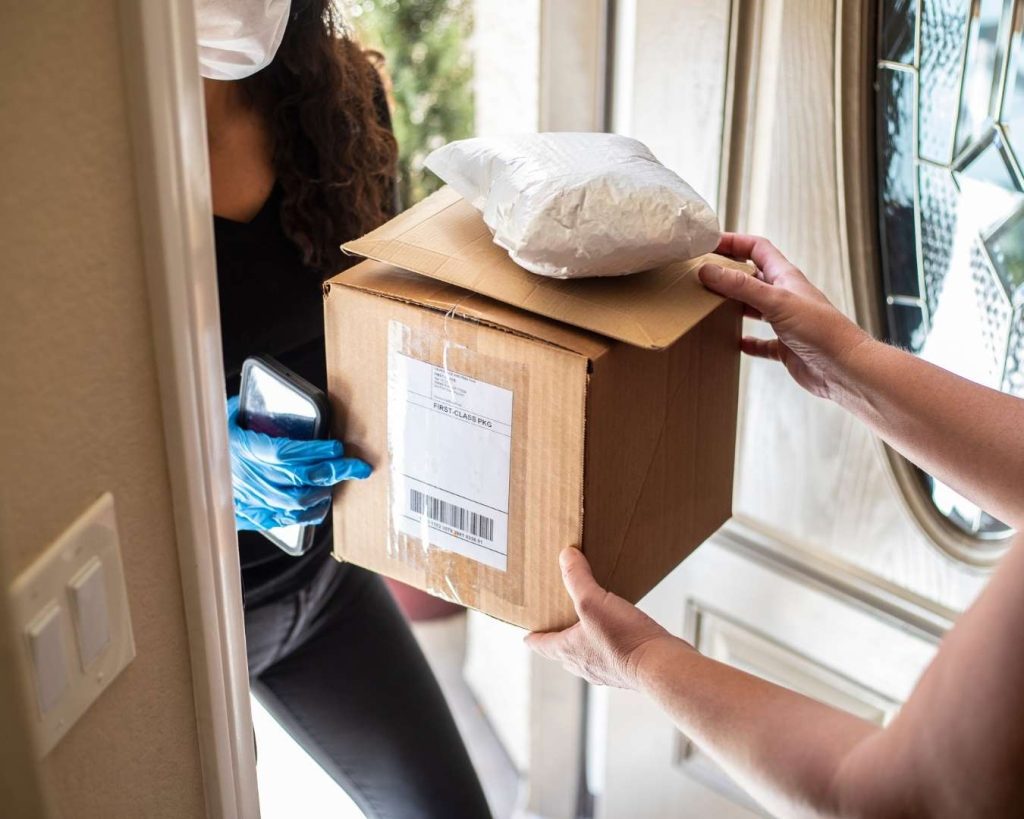
"We went from being at the mercy of one carrier to having multiple options that actually work better and cost less."

The Solution: Multi-Carrier Diversification Strategy

We identified that their single-carrier dependency was creating both cost and risk exposure that threatened their luxury brand positioning. Through Part n Parcel’s network of 240+ Canadian businesses, we implemented a comprehensive platform and carrier optimization that maintained service quality while dramatically reducing costs.

What Changed

  • Platform upgrade: Migrated from Shopify’s basic shipping to ShipStation’s advanced multi-carrier platform
  • Strategic carrier diversification: Expanded from UPS-only to optimized mix of Canpar, Purolator, and FedEx
  • Automated carrier selection: Implemented intelligent routing rules for optimal carrier selection by destination and service requirements
  • Enhanced US shipping: Optimized cross-border shipping processes for their key US market
  • Scalable automation: Deployed automation tools to handle growth without proportional operational overhead

Enterprise support access: Provided direct carrier relationships typically reserved for high-volume shippers

Measureable Results

Financial Impact

Operational

Customer Experience

Luxury Fashion Industry Context

Market Trends

The luxury fashion market in Canada is experiencing steady growth, with luxury apparel sales rising 4.2% in 2024 and projected to climb nearly 19% by 2027⁹. This growth coincides with broader e-commerce expansion, as Canadian e-commerce sales reached $67.7 billion in 2023, up 7.0% year-over-year¹⁰.

Canada’s fashion e-commerce market reached approximately $16.5 billion in 2024¹¹, with luxury fashion representing a smaller but growing segment. The luxury apparel market volume is predicted to reach CAD $6.24 billion by 2029¹².

Shipping Cost Reality for Luxury Fashion

The data reveals why shipping optimization is critical for Canadian luxury fashion businesses:

  • Cost pressure intensity: Canadian businesses pay significantly more for equivalent shipping distances than US counterparts, with domestic shipping costs often 3.6 times higher for comparable routes¹³
  • Customer expectations: Price sensitivity remains high even in luxury segments, with over half of Canadian shoppers willing to wait longer for lower shipping costs¹⁴
  • Operational burden: Small businesses spend 36% of their work week on administrative tasks including shipping and order processing¹⁵
  • Growth constraints: Without optimized logistics, companies struggle to scale efficiently as shipping complexity grows exponentially with volume

Who This Approach Works For

Ideal luxury fashion businesses:

  • Ship $10,000+ annually with focus on high-value, irreplaceable items
  • Serve customers across Canada and internationally, particularly the US market
  • Currently dependent on single carrier or experiencing reliability issues
  • Use Shopify or basic e-commerce platforms limiting shipping optimization
  • Need carrier diversification to reduce risk exposure
  • Want to scale operations without proportional increases in shipping overhead

Results depend on current setup:

  • Single-carrier dependent businesses see highest risk reduction and cost savings
  • Companies shipping internationally benefit most from optimized cross-border processes
  • Those using basic platforms gain significant automation and efficiency improvements
  • Luxury retailers with irreplaceable goods benefit from enhanced service redundancy

Luxury fashion businesses operating with single-carrier dependency face compound risks of service disruptions, rate increases, and scaling limitations that can threaten premium brand positioning and customer satisfaction.

Why the 12-Day Implementation Worked

  • Platform migration expertise: Part n Parcel’s experience with ShipStation implementations enabled smooth transition from Shopify’s basic shipping
  • Established carrier relationships: Commercial agreements with Canpar, Purolator, and FedEx allowed immediate account activation
  • Proven automation rules: Best practices from 240+ member companies applied instantly through optimized ShipStation configuration
  • Cross-border specialization: Existing expertise in US shipping optimization reduced implementation complexity
  • Enterprise support activation: Immediate access to enhanced carrier support relationships typically reserved for high-volume shippers

Getting Started with Luxury Fashion Shipping Optimization

Join 240+ Canadian businesses saving 15-40% on shipping costs through our collective network. Get your free analysis to see exactly how much your business can save.